Passive Rammed Earth Homes: The Future of Sustainable Healthy Desert Living
Dec 19, 2025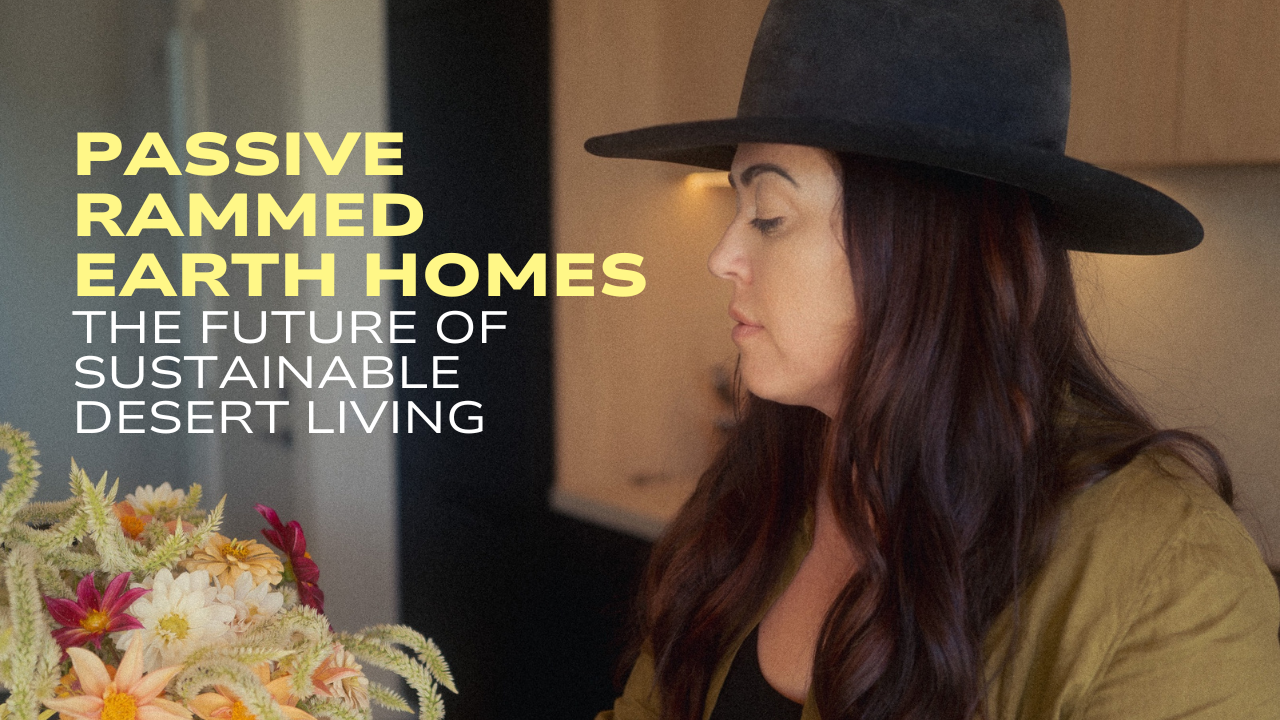
In desert markets like Joshua Tree, Yucca Valley, and the broader Morongo Basin, the conversation around housing is shifting. Buyers are no longer just looking for views or architectural appeal, they are asking deeper questions about health, durability, operating costs, and long-term value. For developers and real estate investors, this shift presents an opportunity.
One construction method gaining serious traction in high-desert environments is passive rammed earth. Not as a trend, but as a climate-responsive, health-forward building system that aligns with both wellness-driven buyers and long-term investment strategy.
To better understand why rammed earth works so well in desert markets, I spoke with Andrea Keller, architect, partner designer of Star Tile in Yucca Valley and founder of 4D Design, who has specialized in passive and rammed earth homes for over six years, including projects throughout the Southwest. Dive into the world of AK on her podcast.
What Is a Passive Rammed Earth Home?
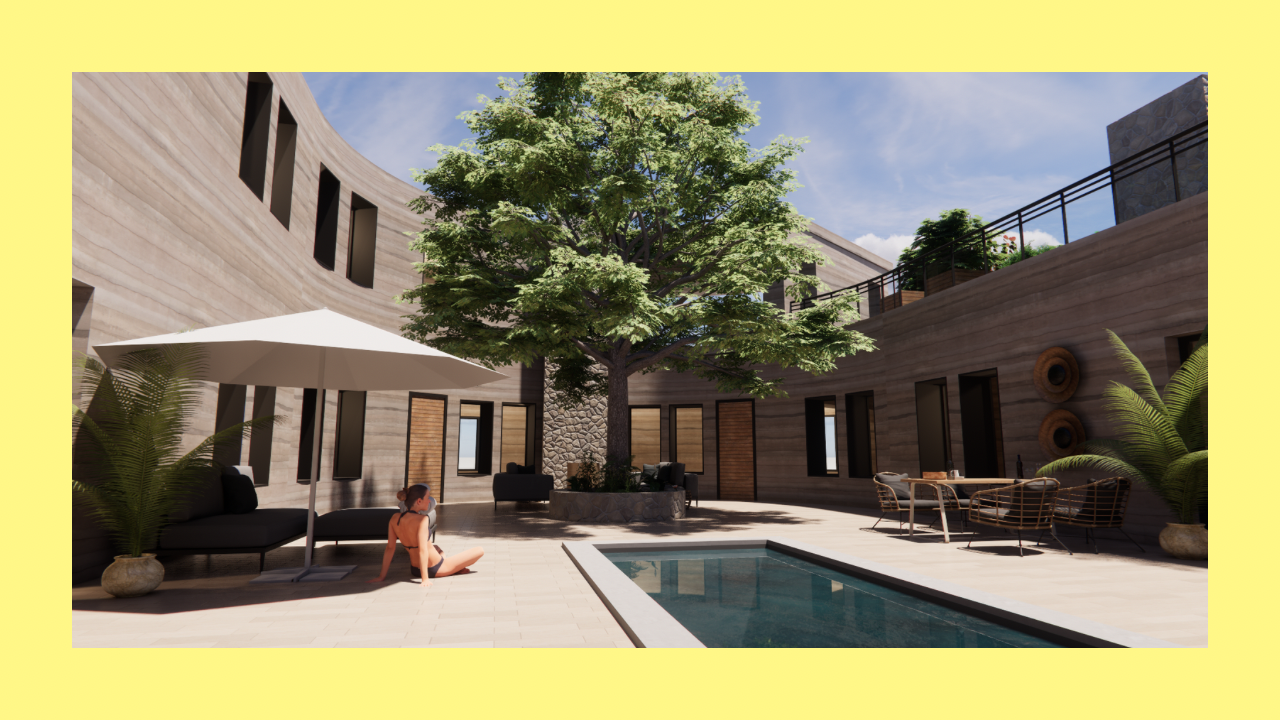
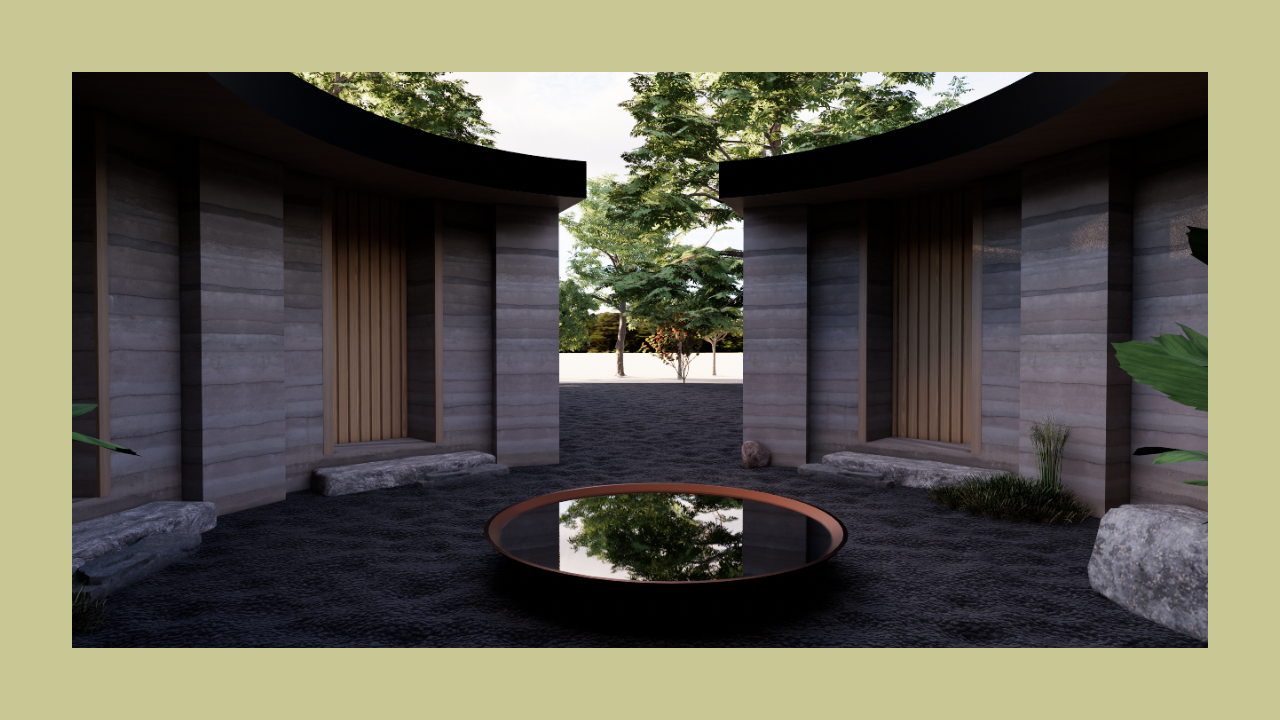
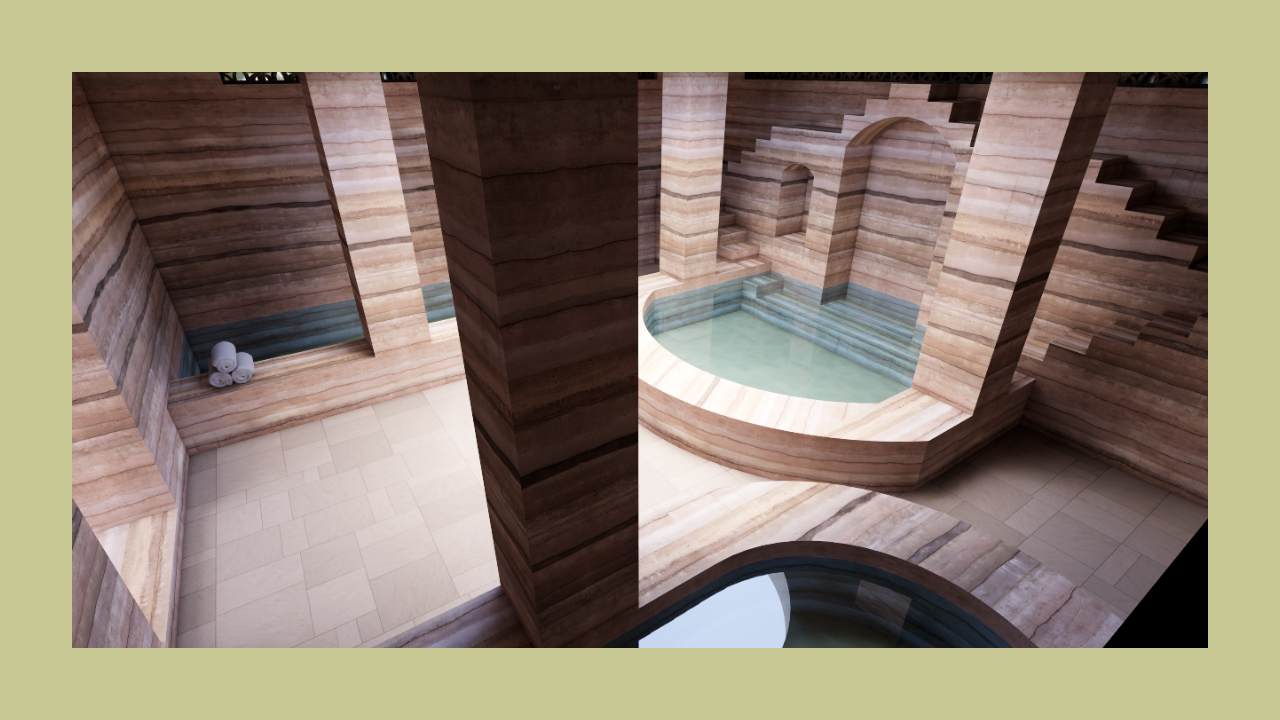
Rammed earth construction uses a mixture of local soil, clay, sand, gravel, and a small percentage of cement, compacted into formwork to create dense, structural walls. When combined with passive design principles - solar orientation, window placement, thermal mass, natural shading, and cross ventilation - the result is a home that works with the desert climate instead of fighting it.
In high-temperature, high-solar environments like Joshua Tree, these thick walls act as a thermal battery. They absorb heat during the day and slowly release it at night, stabilizing indoor temperatures and significantly reducing reliance on mechanical heating and cooling systems.
For investors, this translates to:
-
Lower long-term operating costs
-
Increased durability
-
Strong appeal to health- and sustainability-focused buyers
-
Homes designed for longevity rather than short-term turnover
Why Rammed Earth Is a Healthier Building System
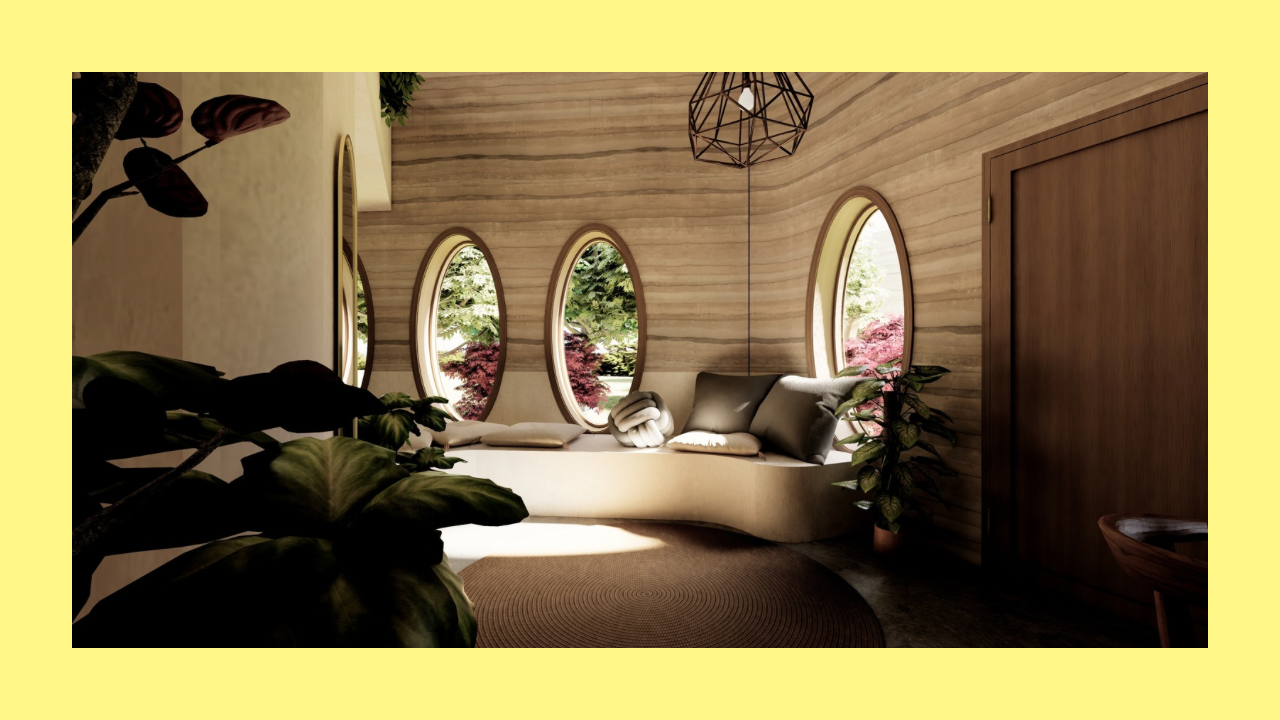
One of the most overlooked aspects of residential construction is indoor air quality. Andrea Keller emphasizes that this is where rammed earth fundamentally outperforms conventional building methods.
“A lot of what we use in typical construction is actually toxic,” Andrea explains. “Drywall alone contains more than 70 ingredients, including paper that can rot and biocides added to prevent mold. Paints, insulation, adhesives, caulks, and flooring all impact the air we breathe every day.”
Rammed earth walls are:
-
Non-toxic (no off-gassing)
-
Mold-resistant (no organic material to support growth)
-
Fire-resistant
-
Free of microplastics and chemical binders
For homeowners, this means a healthier indoor environment. For developers and investors, it means a clear value proposition in a market increasingly concerned with wellness, allergies, chemical sensitivity, and long-term livability.
Designed for the Desert Climate
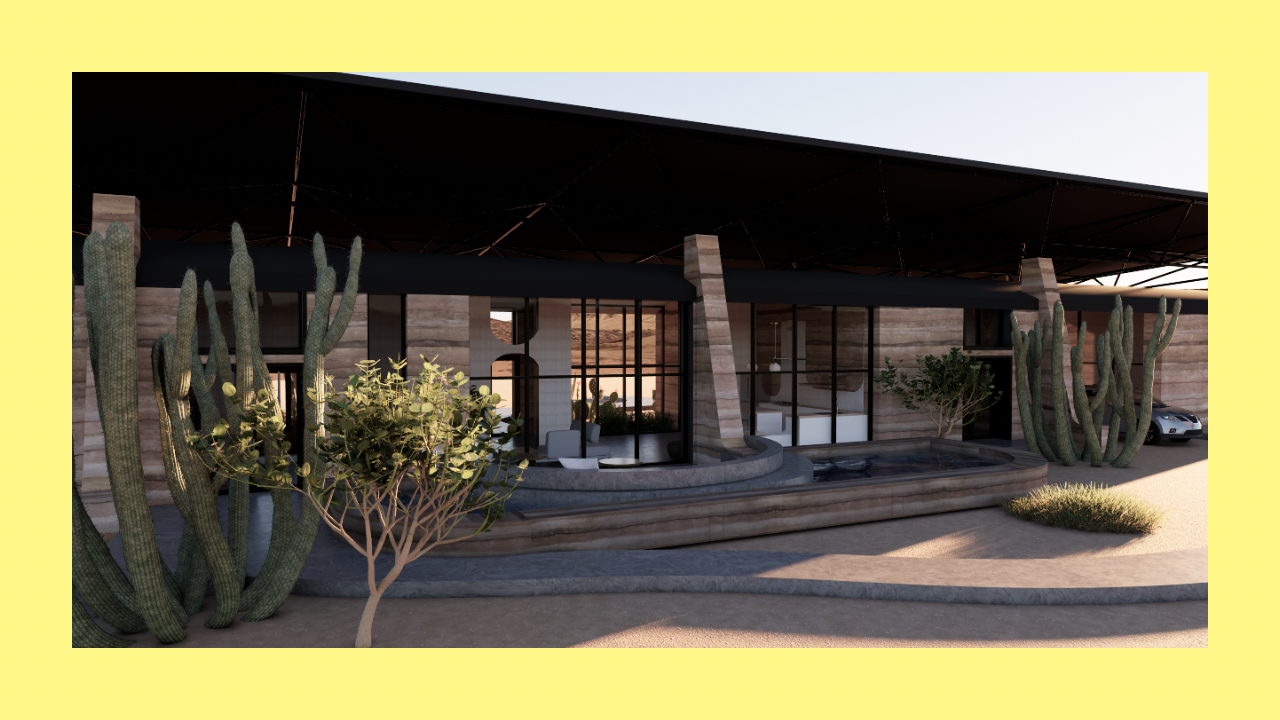
Joshua Tree and other desert markets present extreme temperature swings, intense sun exposure, and increasing energy costs. Passive rammed earth homes are uniquely suited for these conditions.
Andrea describes her approach as combining passive design, biomimetic principles, and natural materials to create homes that are structurally sound, visually calm, and operationally efficient.
“People come to the desert to reset and live healthier lives,” she says. “It makes sense that the homes themselves support that intention rather than working against it.”
Key desert-specific benefits include:
-
Natural temperature regulation
-
Reduced HVAC sizing and usage
-
Excellent acoustic performance (quiet interiors)
-
Minimal maintenance over time
Local Materials, Lower Environmental Impact
One of the advantages of building with rammed earth in the Joshua Tree region is material availability. According to Andrea, multiple local quarries can provide ideal soil blends, meaning materials do not need to be transported long distances.
A typical rammed earth home can weigh close to a million pounds. Sourcing materials locally dramatically reduces:
-
Transportation emissions
-
Construction costs
-
Supply chain delays
With roughly 9% cement content, rammed earth walls achieve the structural strength of concrete while maintaining a significantly lower carbon footprint.
Construction Costs and Investor Viability
A common misconception is that rammed earth homes are cost-prohibitive. In reality, when projects are designed efficiently, particularly with repetitive formwork and optimized window placement, costs are comparable to high-quality stick-frame construction.
In the Joshua Tree market, Andrea estimates:
-
Approximately $450 per square foot, depending on design, formwork reuse, and finishes
For developers and real estate investors, this positions passive rammed earth as a viable strategy for:
-
Custom residential builds
-
High-end primary residences
Who Benefits Most from Passive Rammed Earth Homes?
Homeowners benefit from healthier air, stable indoor temperatures, reduced energy bills, and homes built to last for generations.
Developers gain a differentiated product in a competitive desert market. One that aligns with zoning-conscious, climate-adapted development.
Real estate investors benefit from strong buyer demand, durability, and a clear narrative around sustainability, wellness, and long-term value.
In markets like Joshua Tree, where buyers are often intentional about lifestyle and environmental impact, passive rammed earth homes meet both emotional and practical criteria without relying on buzzwords or fleeting design trends.
A Smarter Way to Build in Desert Markets
Passive rammed earth homes represent a thoughtful response to desert living: climate-adapted, health-forward, and structurally resilient. With architects like Andrea Keller leading the way, this building method is no longer experimental, it is a proven strategy for responsible development in the high desert.
For those building, developing, or investing in Joshua Tree and similar desert markets, rammed earth offers something increasingly rare in residential construction: homes that support both human health and long-term asset performance.
Start a Healthy Development with Cure Designs Project Management
Healthy, climate-adapted homes don’t happen by accident, they start with informed planning, clear strategy, and the right team. Through Cure Designs Project Management, I help homeowners, developers, and real estate investors navigate the full lifecycle of desert projects, from early feasibility to execution.
My work sits at the intersection of land use, planning strategy, design coordination, and construction oversight, ensuring that health-forward building methods like passive rammed earth are evaluated realistically within zoning, budget, timeline, and long-term investment goals.
Whether you’re:
-
Evaluating land for a healthy custom home
-
Planning a desert development or long-term hold asset
-
Exploring non-toxic, passive, or climate-responsive construction methods
I help you determine what’s viable, compliant, and aligned before costly decisions are made.
Also check out:
Passive House Development in California’s High Desert: Healthy, Fire-Resistant Homes for Investors & Developers
🔗 Reach out to schedule an initial planning consultation and explore what’s possible for your property or investment.
