Get Built Sandora Domes: Restoring an Iconic Piece of Joshua Tree Architecture
Jun 24, 2026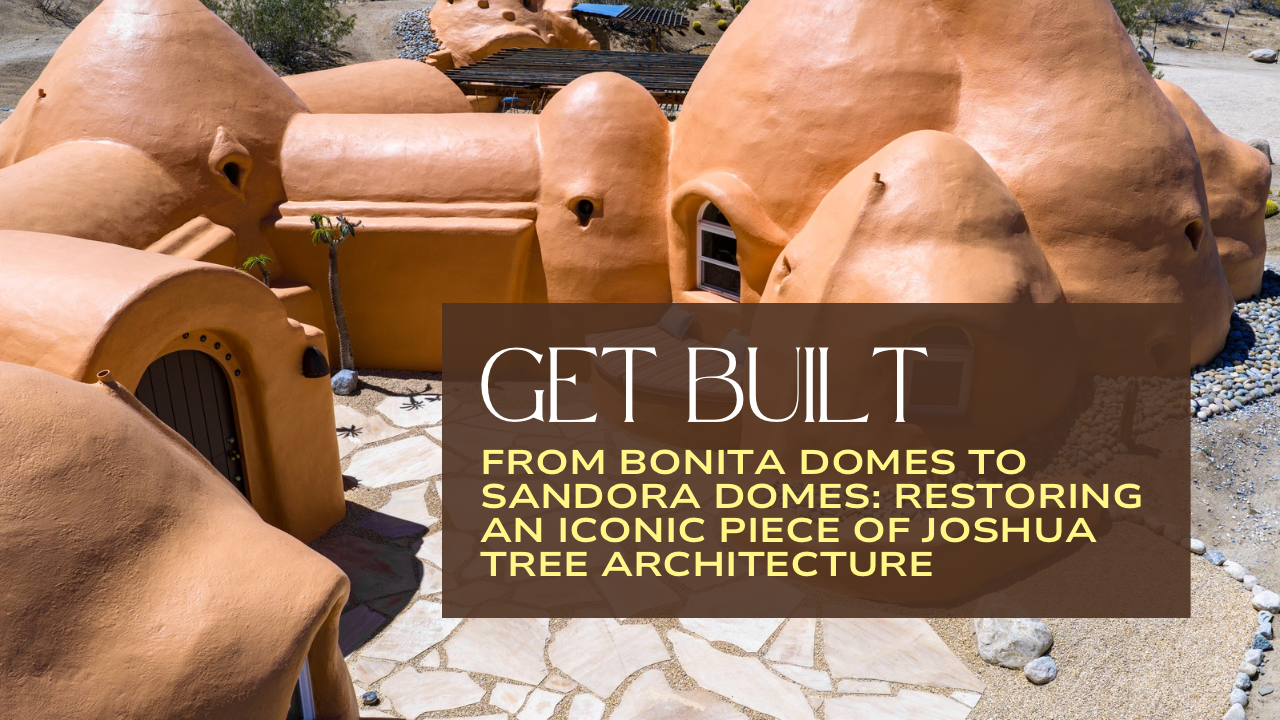
Some projects are renovations.
Some projects are restorations.
And some projects become something much bigger than either.
When I first walked onto the property formerly known as the Bonita Domes, I wasn't arriving to select paint colors or furniture. I was there to meet the new owners, assess the condition of the property, and pitch a vision for how this unique place could become a sought after hospitality destination.
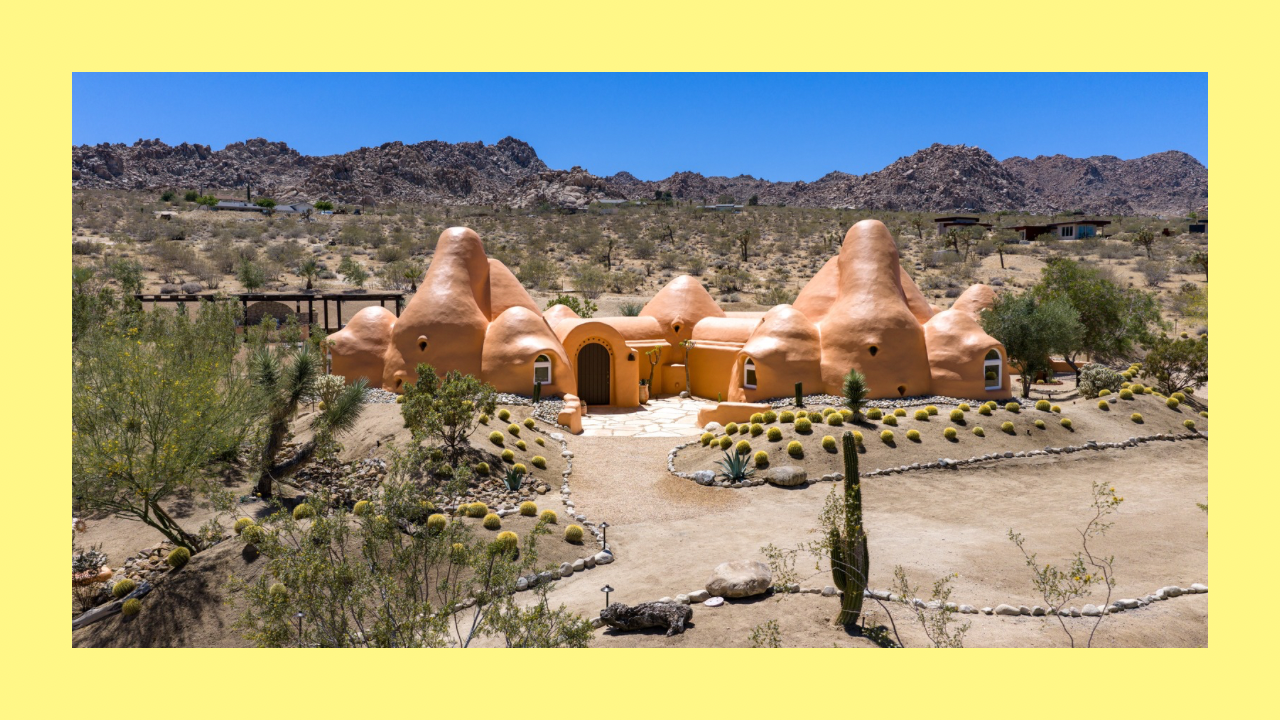
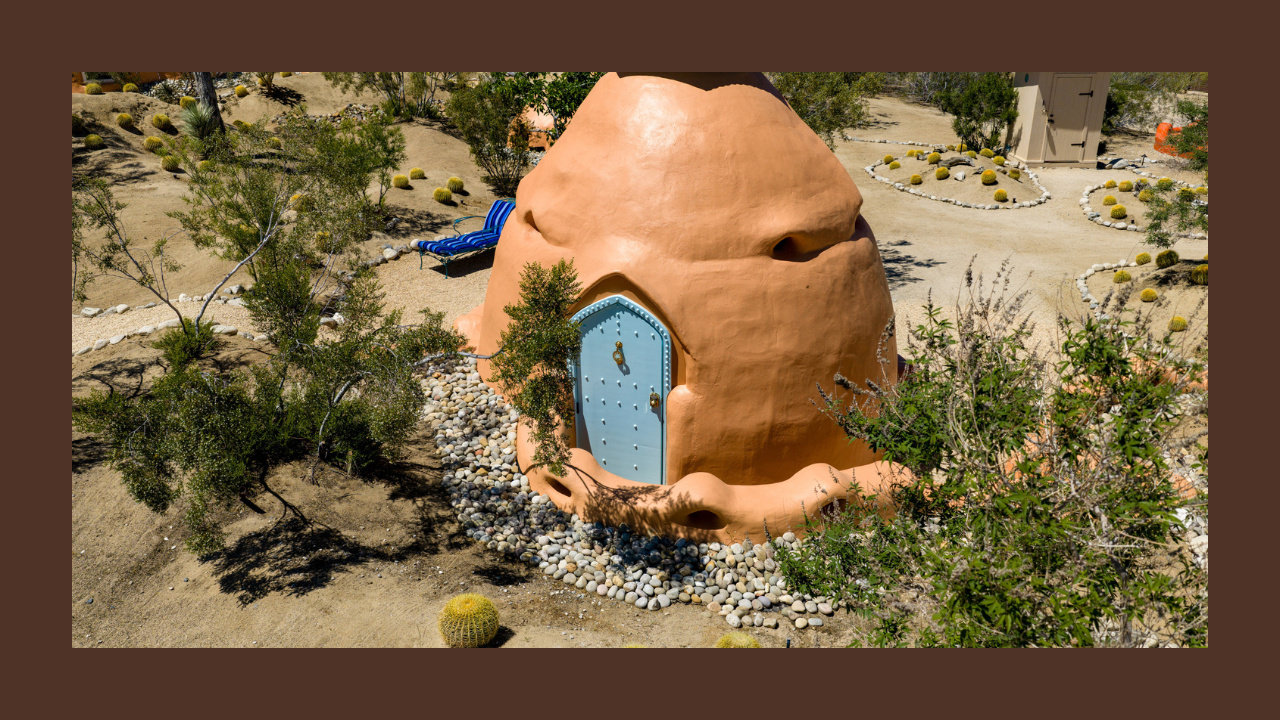
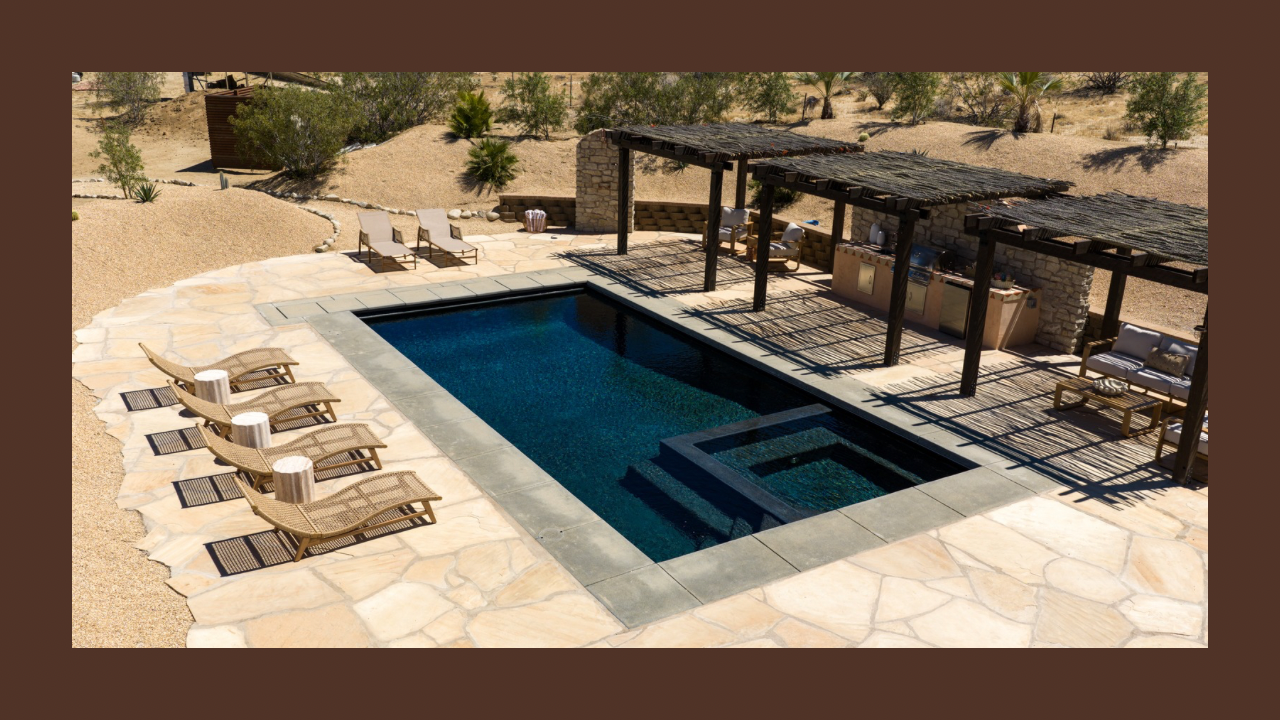
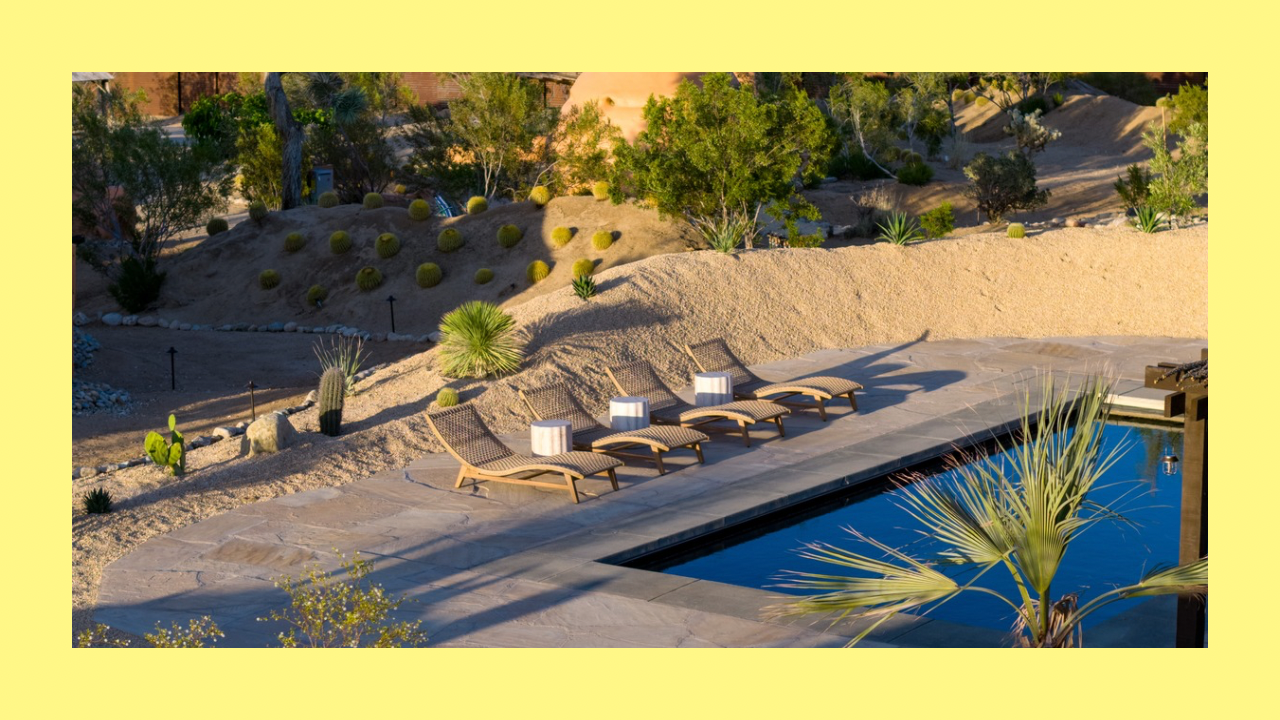
The property spans approximately two acres in Joshua Tree and includes multiple structures, a pool, outdoor gathering spaces, and the iconic earthen domes that have made the property recognizable among architecture enthusiasts, desert travelers, and alternative building advocates.
The owners had recently purchased the property as their first short-term rental investment.
Most investors start with a traditional home.
These owners chose one of the most unique properties in the High Desert.
And while the domes were undeniably special, they were also at a crossroads.
Years of exposure to the desert elements had left visible signs of wear. Exterior damage needed repair. Water intrusion had affected interior plaster finishes. Systems needed updating. Guest experiences needed rethinking.
Most importantly, the property needed a clear identity for its next chapter.
The History of the Bonita Domes
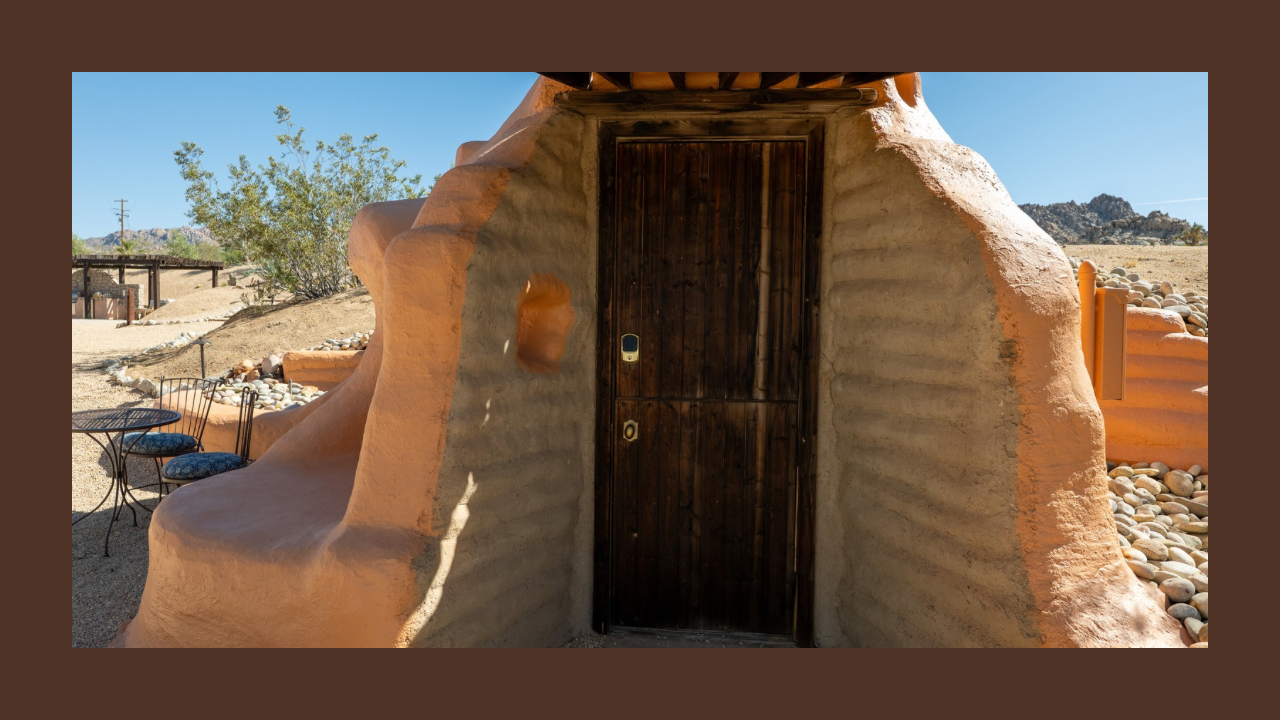
The Bonita Domes are part of Joshua Tree's rich legacy of alternative architecture and earth-based building methods.
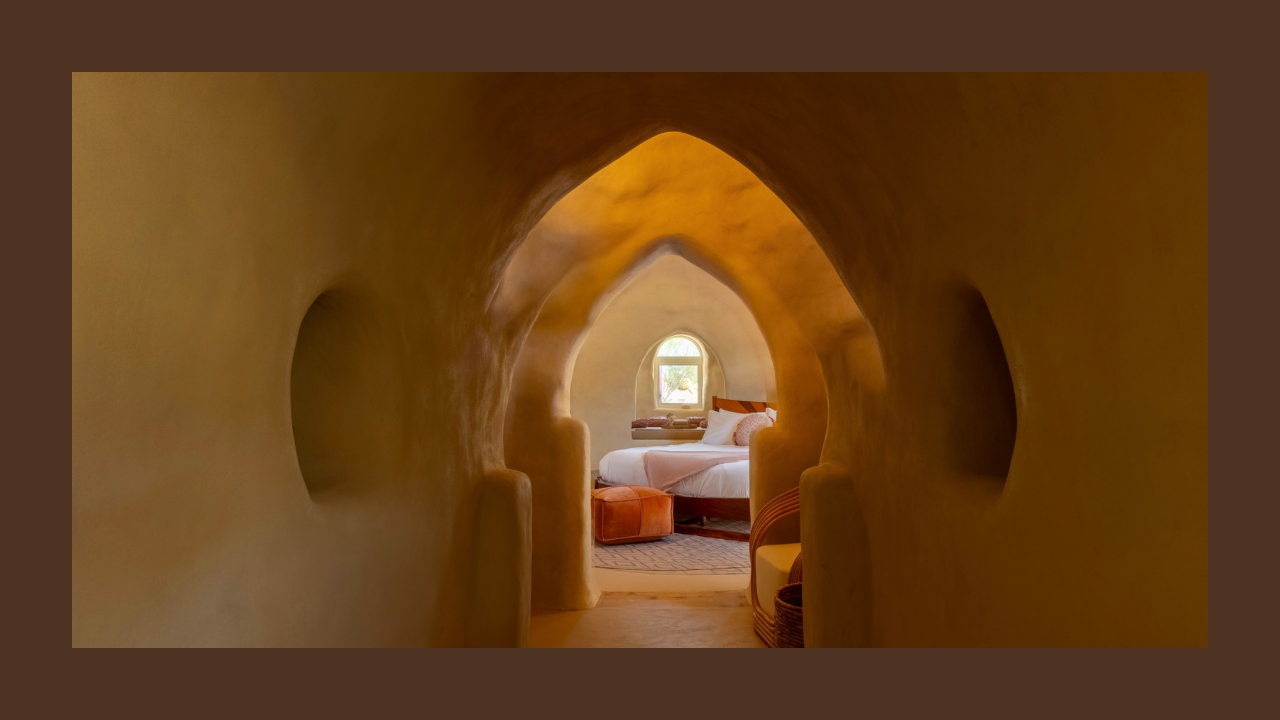
Originally designed and built by artist and healer Lisa Starr, the domes drew inspiration from the Superadobe building techniques developed through the work of the Cal-Earth Institute. Unlike conventional construction, these structures were designed to feel connected to the land itself.
The walls curve naturally and corners rarely exist.
Nothing feels mass produced and every surface reflects the hand of the builder.
The result is architecture that feels alive and deeply rooted in place.
That same uniqueness is also what makes restoration far more complex than a standard renovation.
Every repair, finish, measurement, and installation requires customization. There are very few straight lines, standard dimensions, or off-the-shelf solutions.
Working with earthen architecture requires a different mindset especially when the goal isn't to make it look new, but to preserve what makes it special while helping it perform for modern hospitality.
Developing the Vision for Sandora Domes
During my first walkthrough with the owners, I presented a concept that would ultimately shape the entire project.
Rather than leaning further into the existing eco-retreat or glamping aesthetic, I wanted to elevate the property into a luxury hospitality experience while preserving its authenticity.
The challenge was finding the balance.
Too much modernization and the property would lose its soul and too little and it would struggle to compete in today's hospitality short term rental market.
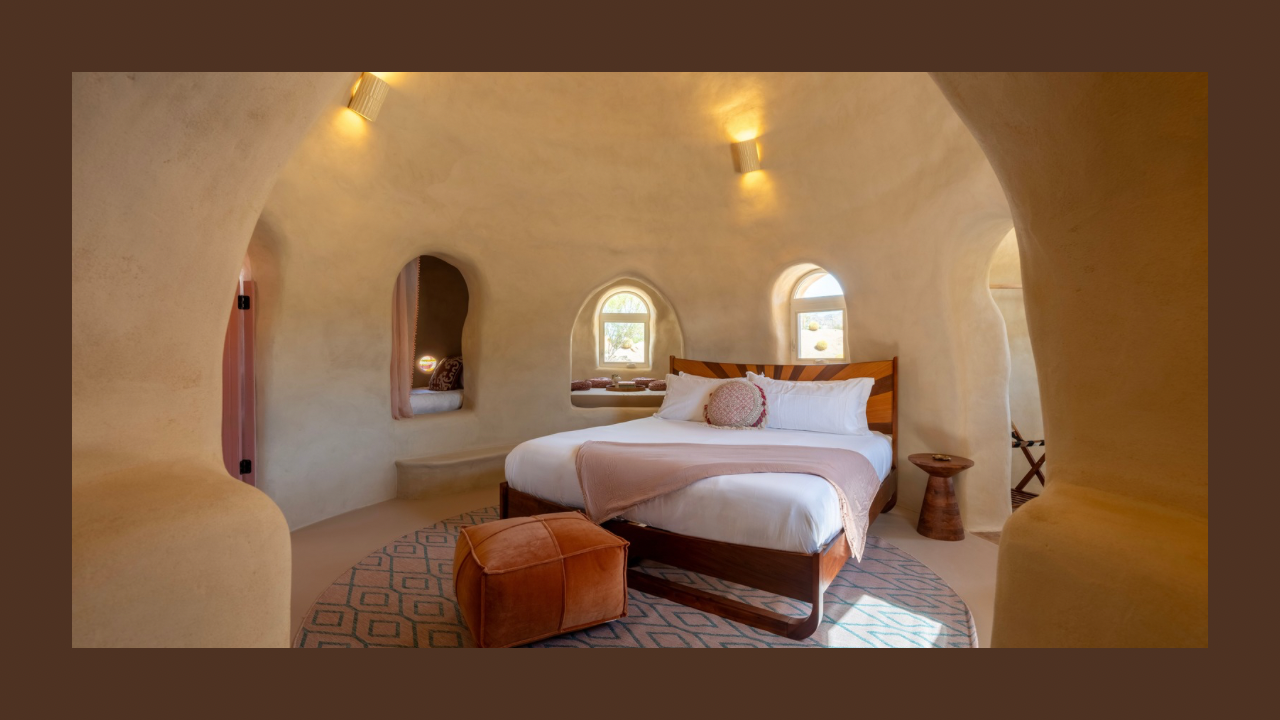
The concept became a Moroccan-inspired desert retreat rooted in the natural forms of the architecture itself.
Warm earth tones, handcrafted materials, natural textures and organic shapes.
Spaces that felt transportive while remaining connected to Joshua Tree.
At the center of that vision was one defining idea:
The bathhouse.
Not simply a bathroom.
Not simply a spa.
A true hammam-inspired experience unlike anything else available in the Joshua Tree area.
I wanted guests to walk into the space and immediately feel that they had discovered something special.
Something they couldn't find anywhere else.
Preserving the Architecture Before Designing It
One of the most important lessons in restoration work is that aesthetics come after preservation.
Before we could begin transforming interiors, we needed to address the building envelope itself.
The exterior domes required repair and waterproofing to help prevent future moisture intrusion.
Water had already impacted portions of the interior plaster, making it critical that exterior issues be addressed first.
Once those repairs were completed, interior restoration could begin.
Damaged plaster surfaces were repaired using materials and techniques that respected the original character of the structures.
This wasn't a project where we could simply cover everything with drywall and start over.
The architecture itself was the asset and every decision needed to support that reality.
Creating the Sunrise and Sunset Suites
One of my favorite aspects of the project was developing the guest experience within the domes themselves.
The property includes two primary living suites connected by a shared central kitchen.
Structurally, the suites are nearly identical.
In reality, however, no two spaces inside a handcrafted dome are exactly the same.
The curves, niches, transitions, and surfaces all have slight variations.
That is the beauty of handmade architecture.
To give each side its own personality, we created two distinct guest experiences.
The Sunrise Suite AND The Sunset Suite. Not like a traditional home with bedrooms as this layout isn’t that. So rather than it being bedrooms like a home, it needs to feel like suites and the entire grounds, the additional amenities and living spaces to use while visiting.
While the layouts mirror one another, the color palettes and styling create unique moods and experiences.
Guests can return multiple times and enjoy the property from a slightly different perspective each visit.
The Reality of Project Managing a Restoration Like This
Projects like Sandora Domes are never the work of one person.
They are the result of a team.
A very large team.
One of the most rewarding parts of serving as project manager and designer was coordinating the many talented professionals who helped bring this vision to life.
Contractors.
Plaster specialists.
Tile installers.
Electricians.
Plumbers.
Cabinet fabricators.
Landscape crews.
Finish carpenters.
Specialty trades.
Every person contributed to solving unique challenges presented by the architecture.
The reality is that behind every beautiful project are hundreds of decisions, adjustments, site visits, problem-solving and design conversations, and collaborative efforts that never make it into the final photos.
Designing the Hammam Bathhouse
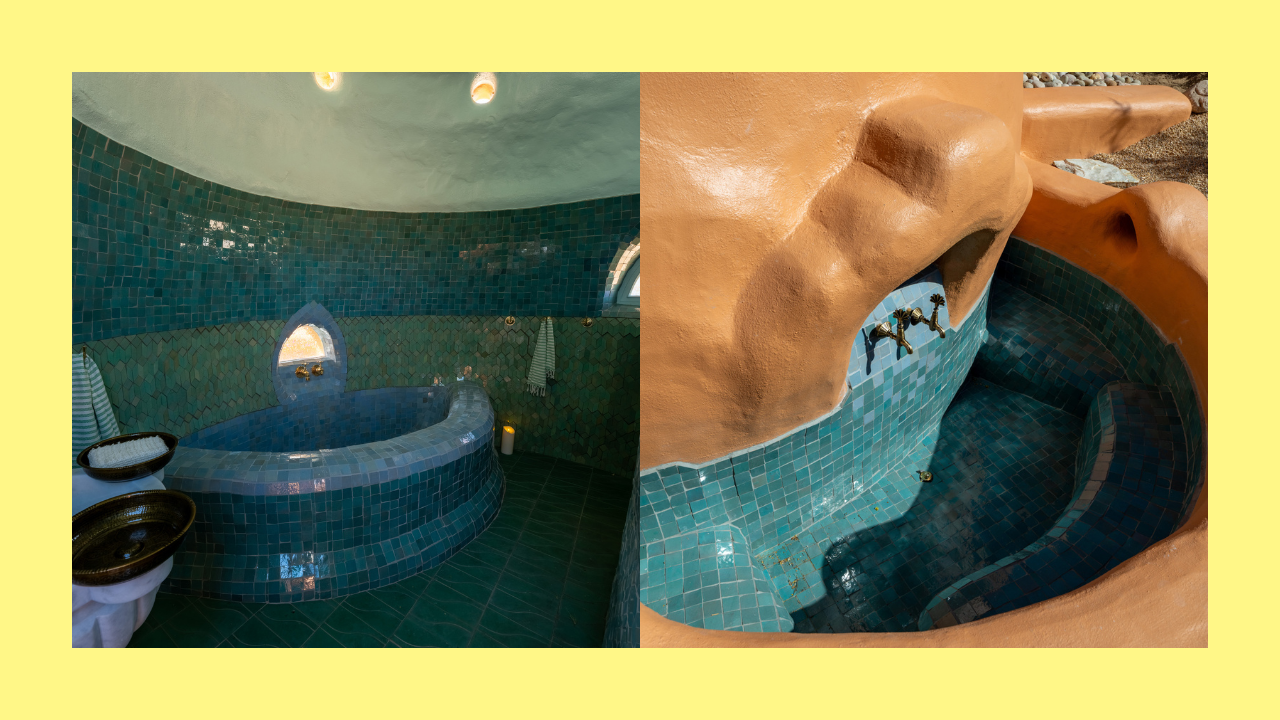
If there is one space that defines Sandora Domes, it is the bathhouse.
From the beginning, I knew this space needed to become the emotional centerpiece of the property.
Inspired by traditional Moroccan hammams, the bathhouse was designed around ritual, relaxation, and sensory experience.
Handmade Zia zellige tile became one of the defining materials throughout the space.
Multiple tile colors and patterns were layered together to create movement, depth, and texture that shifts throughout the day as natural light changes.
Custom details were incorporated throughout, including handcrafted elements, custom pedestal with a traditional Turkish marble hammam sink, specialty fixtures, and materials selected specifically to complement the earthen architecture.
The goal was never simply to create a beautiful room.
The goal was to create a feeling.
A memory.
An experience guests would talk about long after their stay.
Creating Luxury Through Authenticity
One of the biggest misconceptions about luxury hospitality is that luxury means excess.
In my experience, luxury is often the opposite.
Luxury is intention.
Luxury is craftsmanship.
Luxury is creating something that cannot be replicated.
At Sandora Domes, we focused on preserving the imperfections that make earthen architecture beautiful.
The curves.
The texture.
The hand-finished surfaces.
The connection between architecture and landscape.
Rather than hiding those elements, we celebrated them.
The result is a property that feels elevated without feeling disconnected from its origins.
A place that feels luxurious because it is authentic.
Looking Ahead
The transformation from Bonita Domes to Sandora Domes took just over 9 months of restoration, design development, project management, and collaboration from an incredible team.
This article is just the beginning of the story.
In upcoming articles, I'll be sharing a deeper look into the materials, design decisions, restoration techniques, challenges, and lessons learned throughout the process.
Coming Next in the Sandora Domes Series
- What Is Superadobe Architecture? Understanding the Building Method Behind the Bonita Domes
- How We Restored Earthen Walls and Repaired Water Damage at Sandora Domes
- Designing the Hammam Bathhouse: Materials, Layout, and Lessons Learned
- Why We Chose Zellige Tile Throughout Sandora Domes
- The Reality of Project Managing a Complex Hospitality Renovation in Joshua Tree
- Before and After: The Sandora Domes Transformation
- Desert Landscaping Design for Hospitality Properties
- Lessons for Investors Purchasing Unique Properties in Joshua Tree
Whether you're an investor, hospitality owner, developer, or simply someone fascinated by architecture and restoration, I hope this series provides a behind-the-scenes look at what it truly takes to transform a one-of-a-kind property while preserving the character that made it special in the first place.
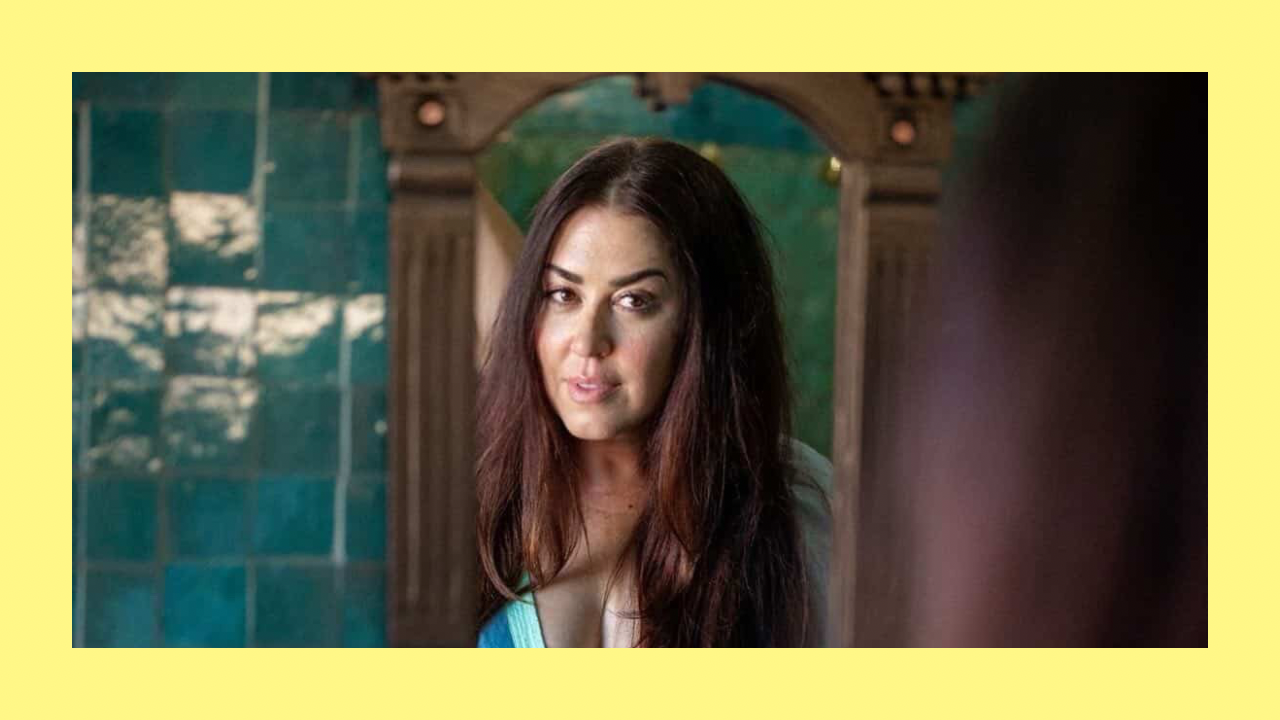
The Team Behind Sandora Domes
One of the greatest lessons from a project like Sandora Domes is that exceptional spaces are never created by a single person.
While I served as designer and project manager alongside the property owners throughout - the restoration and transformation of the property, bringing this vision to life required an incredible team of skilled tradespeople, craftspeople, consultants, and creatives.
Every curved wall, handcrafted finish, custom installation, landscape detail, and guest experience was the result of countless hours of collaboration, problem solving, and expertise.
A Final Thank You
Projects like Sandora Domes remind us that great design is never just about aesthetics.
It is about collaboration and bringing together people with different skills, experiences, and expertise to create something none of us could have accomplished alone.
To every contractor, installer, craftsperson, consultant, supplier, and team member who contributed to this project, thank you for helping bring this vision to life.
Sandora Domes is a reflection of your work, your talent, and your dedication.
